
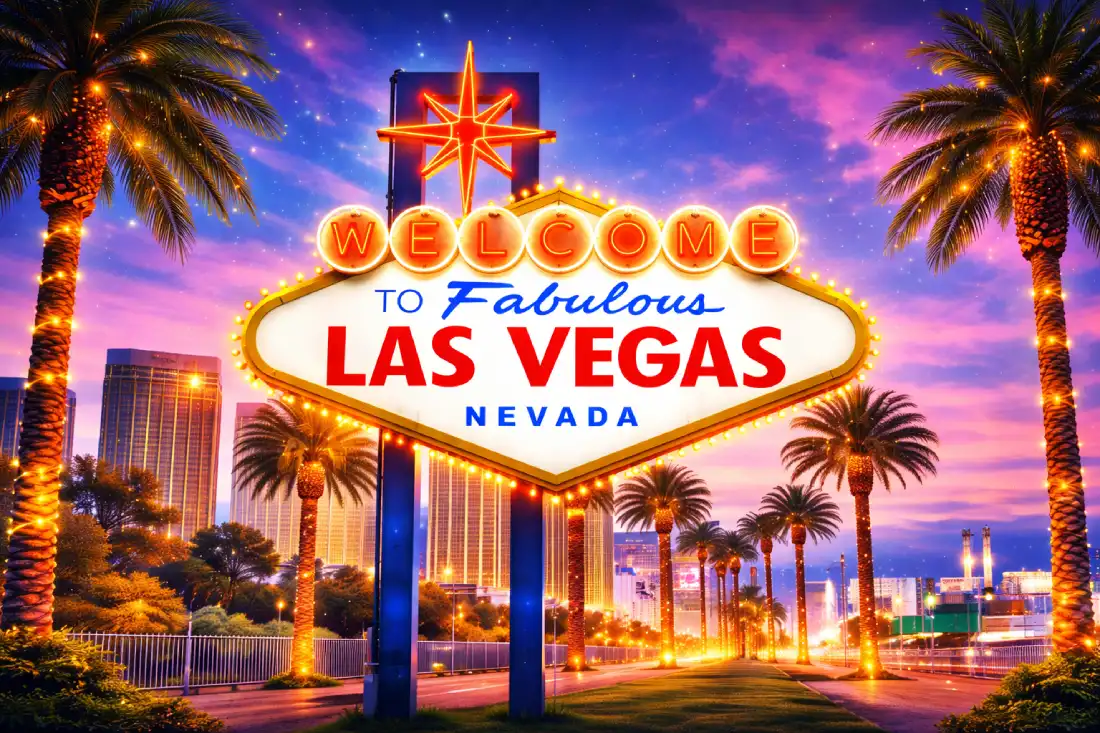
For decades, the neon-soaked corridors of Downtown Las Vegas have served as the “authentic” soul of the city, standing in grit-filled contrast to the billion-dollar mega-resorts of the Strip. However, as the global economy navigates a period of historic uncertainty, the stakes for these legacy properties have never been higher. At a recent community forum hosted by the Downtown Vegas Alliance, top-tier casino executives pushed back against the “Vegas is dead” narrative, painting a picture of a market that is not shrinking, but rather reinventing itself in the face of a widening economic divide.
Leaders from iconic properties, including the El Cortez, Plaza, and Circa Hospitality Group, acknowledged that while the post-pandemic “boom years” have leveled off, the baseline for demand remains remarkably healthy. The consensus among the board was clear: the city’s resilience is its greatest product. As Cliff Atkinson, CEO of the Fremont Street Experience, noted, the challenge of shifting travel patterns and rising prices is real, but the city’s ability to “reinvent” its value proposition remains its most potent weapon against a cooling leisure market.
Navigating the “K-Shaped” Gambling Economy
One of the most profound insights to emerge from the forum was the confirmation of a “K-shaped” recovery within the gaming sector. This economic phenomenon describes a divergence where higher-income visitors continue to spend at record levels, while lower-tier or “aspirational” customers face increasing pressure from inflation and housing costs. This stratification is becoming visible on a street-by-street basis in Downtown.
Jeff Victor, Vice President of Operations for Circa Hospitality Group, provided a candid look at how this divide affects different tiers of properties. While the high-end Circa has continued to perform exceptionally well, mid-tier and legacy locations like The D and the Golden Gate have felt the impact of a more cautious consumer base. This divergence suggests that the “smart money” in the casino world is currently following the premium player, while value-based operators are being forced to work harder than ever to maintain their margins.
The Pricing Narrative vs. Reality
A major point of contention for Downtown executives is the media portrayal of Las Vegas as an “unaffordable” destination. Joe Woody, Chair of the Downtown Vegas Alliance and CFO of the El Cortez, expressed frustration over what he termed “overreporting” on rising costs and resort fees. Operators are fighting a PR war against social media narratives that suggest the city has lost its “everyman” appeal.
Despite these perceptions, operators are seeing an unexpected silver lining: a shift in the customer profile. Some Downtown casinos are reporting an influx of “new faces”—higher-end players who are migrating away from the Las Vegas Strip in search of better value and a more personal experience. This “Strip-to-Downtown” migration is a critical trend for 2026. By offering lower minimum bets and a more accessible atmosphere without sacrificing quality, Downtown is positioning itself as the rational alternative to the $30-cocktail culture of the central Strip.
The Relationship Advantage: Why Authenticity Wins
The “secret sauce” of the Downtown recovery lies in a metric that spreadsheets can’t always capture: Personal Relationships. Executives at the forum, including Jonathan Jossel of the Plaza, emphasized that the primary appeal of Downtown is the human connection. Unlike the corporate-owned mega-complexes on the Strip, Downtown properties often offer direct access to owners and a more personalized level of service that fosters long-term loyalty.
This “Meaningful Care” model is more than just a marketing slogan; it is a defensive strategy. When economic times are tough, visitors gravitate toward places where they feel “special” and recognized. By leaning into the area’s rich history and its smaller, more intimate footprints, Downtown operators are betting that authenticity will always trump the artificiality of the Strip. It is a belief that you cannot recreate the history of Fremont Street, and that historical weight provides a “resiliency floor” that protects the market during downturns.
Long-Term Outlook: Stability in the Heart of the City
Looking toward the future, the sentiment among industry leaders remains cautiously optimistic. While “trees don’t grow to the sky,” as Jonathan Jossel noted, the current visitation and gaming spend metrics indicate a market that is stabilizing at a high level. Ongoing development projects and a commitment to maintaining the area’s distinctive character suggest that Downtown is prepared for the long haul.
The takeaway for investors and observers is that Las Vegas is not losing its appeal—it is simply recalibrating. The “K-shaped” economy may be squeezing some segments, but the high-end player is stronger than ever, and the value-seeker is finding a new home in the “authentic” heart of the city. As long as Downtown continues to offer a relationship-driven alternative to the mega-resort experience, it will remain the resilient, beating heart of the world’s most famous gambling destination.
A WordPress Commenter
January 28, 2026 at 10:43 amHi, this is a comment.
To get started with moderating, editing, and deleting comments, please visit the Comments screen in the dashboard.
Commenter avatars come from Gravatar.